

Getting Started with Basic Meditation
A practical guide to your first meditation session. No special equipment needed — just a quiet space and five minutes of your time.
Read GuideHow to weave mindfulness into your everyday schedule. Real routines that fit busy lives, not fantasy practices.

You’ve heard it before: meditation changes lives. And honestly, it does. But there’s a gap between knowing that and actually making it happen. The problem isn’t meditation itself — it’s that most guides skip the practical part. They tell you to “meditate daily” without explaining what that actually looks like when you’ve got a job, kids, or just a regular chaotic life.
Building a routine isn’t mystical. It’s not about finding an hour of perfect silence. It’s about understanding your actual schedule, picking realistic times, and starting small enough that you’ll actually stick with it. That’s what we’re covering here.

This is where most people mess up. They read about monks meditating for hours and decide they need to commit to 45 minutes every morning. Then they try it once, feel restless, and quit.
Here’s the reality: five minutes is enough. Seriously. That’s enough time to settle your mind, notice your breath, and reset. You’re not trying to achieve enlightenment in week one. You’re building a habit. And habits form through repetition, not intensity.
Most people who stick with meditation started with 5-10 minutes daily. After about three weeks, it becomes automatic. Your brain stops resisting it. Then you can gradually expand — maybe to 10 minutes by week six, 15 minutes by month three. But you’ve got to start small enough that it feels doable.

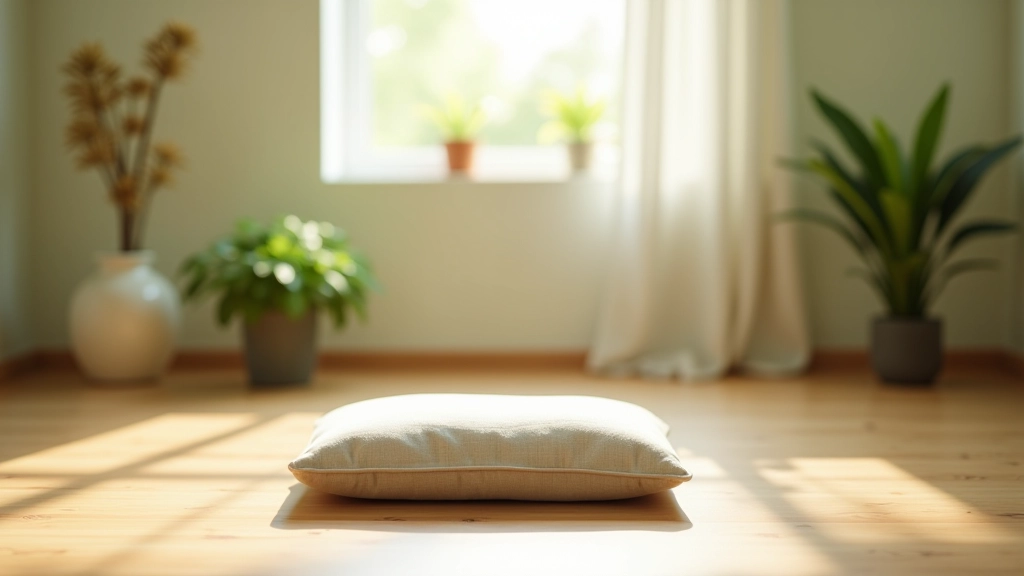
Your environment matters more than you think. You don’t need a special meditation room or fancy cushions. You just need a consistent spot. It could be a corner of your bedroom, a chair by the window, even your car during lunch break. The point is: same place every day.
Why? Your brain links location to behavior. After a week of meditating in the same spot, your nervous system starts relaxing the moment you sit there. It’s like a physical cue that says “we do mindfulness here now.” You’re not fighting your environment — you’re using it.
If possible, pick somewhere with minimal distractions. No TV blaring in the next room. No phone notifications going off. If you’re in a shared space, even five minutes of peace works. Close your eyes and tune out the rest.
This guide provides informational content about building mindfulness routines. It’s not medical advice. If you’re managing anxiety, depression, or other mental health conditions, mindfulness can be helpful — but talk to a healthcare professional first. They can guide you on how mindfulness fits into your overall wellness plan. Everyone’s different, and what works for one person might need adjustment for another.
Once you’ve picked your time and place, here’s what your actual session looks like. You don’t need anything fancy — just three simple parts that take five minutes total.
Sit down, close your eyes, and just notice what’s happening. Don’t judge it. Your mind might be racing. That’s fine. You’re not trying to clear it yet — just observing.
Focus on your breath. In through the nose, out through the mouth. You’re not changing your breathing — just noticing it. When your mind wanders (it will), gently bring it back to the breath. That’s the whole practice.
Before you stand up, take one deep breath and open your eyes slowly. Notice how you feel. Then carry that calm into the rest of your day.


You don’t need a meditation app with notifications. A simple check mark on a calendar works. Or a note in your journal. The point is accountability — you’re building a streak. That visual feedback is surprisingly motivating.
After two weeks, you’ll have 14 check marks. That’s real progress. You’ve meditated more than most people ever do. And here’s what happens around day 21: it starts feeling normal. You’re not forcing it anymore. Your brain’s like, “Oh, this is what we do now.”
If you miss a day, don’t spiral. You’re not ruined. Just pick it up the next day. The goal isn’t perfection — it’s consistency. Even missing one day a week and meditating six days is way better than the zero days most people manage.
Pick your time. Pick your spot. Sit down for five minutes. That’s it. You’re not aiming for spiritual experiences or clearing your mind completely. You’re just showing up. Consistency beats intensity every single time. After seven days, you’ve already got momentum. After 30 days, it’s genuinely part of your life. The hardest part is always starting — and you’re starting right now.
The beautiful thing about mindfulness is that it doesn’t ask for much. Five minutes from your day. A quiet corner. Your breath. That’s the entire practice. Everything else is just details. Start small, be consistent, and watch what happens.